
Ever since Steve Jobs unveiled the first iPhone, Apple has set the standard for tech innovation. So it’s no surprise that the launch of Apple Intelligence is turning heads.
Whether it’s powering the latest iPhones, Macs, or even the ever-familiar voice assistant Siri, Apple is aiming to make everyday tasks feel effortless with intelligence that’s context-aware, private, and seamlessly baked into your devices.
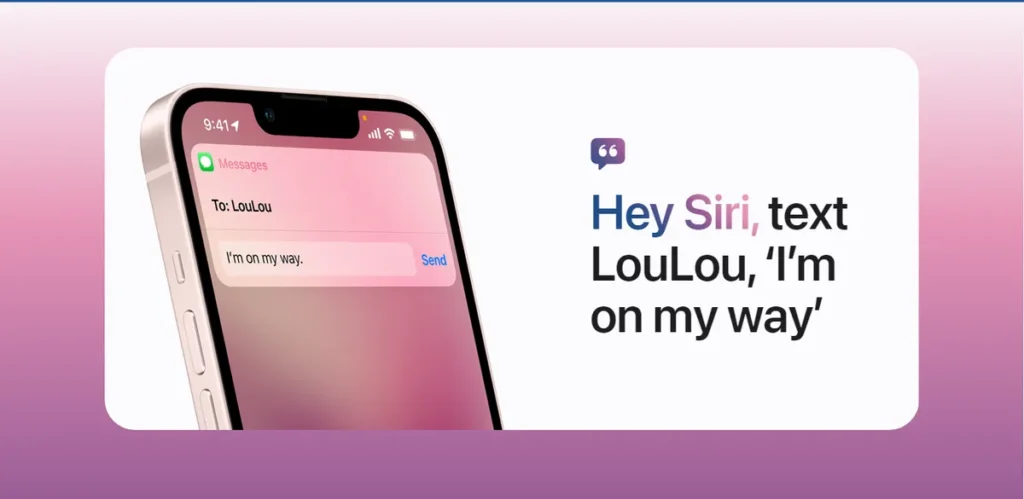
Clearly, Siri has moved well beyond timers and quick texts now. With the arrival of Apple Intelligence, you can now think of Siri as a real assistant. For example, if you change your mind mid-way while giving a command like “Set an alarm. Wait, make that a 15-minute timer,” Siri will understand it instantly.
Last week, I asked it to send a file, and even without naming the app or saying the full contact name, it figured out exactly what I meant.
Moreover, Siri saw what was on the screen, understood the context, and handled the task without needing more input. This intuitiveness stays constant whether you’re sending a message, playing music, or finding directions; it just works.
Siri can connect to ChatGPT (with permission) to summarize documents, write creative pieces, or analyze photos, all without swiping screens or changing apps. You can ask it to explain system settings, draft an email, or pull up information from other apps, and it handles the request smoothly.
But I still see a lot of room for improvement here. Like, to test the most advanced features, having newer iPhones with iOS 18 or later is mandatory.
And while Siri works beautifully within Apple’s ecosystem, it’s less effective for tasks that require external web tools or extensive automation.
That being said, with Apple devices, Siri now feels like a built-in sidekick. It picks up on your habits and quietly gets better, all without giving up your privacy.


